Top 5 Most Popular Tourist Places In South India

There are lots of natural beautiful sights and lots of tourist attractions present at different nook and corner of India. Visiting South India tourist spots should be the most incredible experience and life time memory for one.

#1. Chennai

Chennai

You should visit Chennai, and not on the grounds that it’s the state capital, but rather in light of the fact that any trek to South India would be deficient without doing as such. This city likewise brags some astonishing urban parks like Semmozhi Poonga and Anna Nagar Tower Park.

#2. Thiruvananthapuram

Thiruvananthapuram

Thiruvananthapuram, or Trivandrum, the capital of Kerala, holds various attractions. One of them is the Kovalam Beach. Padmanabhaswamy Temple additionally draws in visitors for its wall painting depictions and one of a kind divinity. On the off chance that the charms of an island is the thing that you look for, go to Poovar Island.

#3. Bangalore

Bangalore

Bangalore, a standout amongst the most energizing spots in South India, is a city humming with vitality. This city teems with shopping centers, bars, parks, exhibition halls, bistros and craftsmanship displays, other than others. Bannerghatta National Park, a synthetic natural life save, offers some stunning safaris and is another well known fascination.

#4. Hyderabad

Hyderabad

Hyderabad, the capital of Telangana , houses a few attractions including lakes, deer and parks.This city is likewise a customer’s pleasure, as there are well known bazaars like Laad Bazaar, Perfume Market, Singhania’s and Kalanjali that offer a portion of the best fragrances and textures in the nation.

#5. Coimbatore

Coimbatore

On your approach to Ooty, the most well known slope station in South India is certain to make a stopover at Coimbatore. This place is additionally home to some brilliant sanctuaries like Ecchanari sanctuary, Marudhamalai sanctuary and Anubhavi Subramaniar sanctuary.

Watch This Videos For More Information :-

Review’s:-

Soma CBarrow-in-Furness, United KingdomReviewed 5 December 2016Wonderful trip of tamilnadu and it’s temples

Excellent organisation by Padmini Madam and her husband.
Hotels selected were excellent in terms of quality,locations, ambience, food and facilities

Date of experience: November 2016.

Unique Culture Of India : Customs and Indian Traditions

Indian culture and traditions are something which has now become renowned all across the world. Most of these originate from the Ancient Indian scriptures and texts, which have dictated the way of life in India for thousands of years.

Here are 11 fascinating Indian traditions and customs

  • Greetings
  • Religious Customs
  • Festivals of India
  • Family Structure & Marriage
  • Symbols 
  • Cuisine & Food 
  • Traditional Clothing 
  • Dances of India
  • Epics & Mythology
  • Martial Arts 
  • Languages

1. The Namaste

Namaste

The Namaste is one of the most popular Indian customs and isn’t just restricted to the Indian territory anymore. The word Namaha can also be translated as ‘na ma’ (not mine), to signify the reductions of one’s ego in the presence of the other.

2.Indian Ethnic Wear

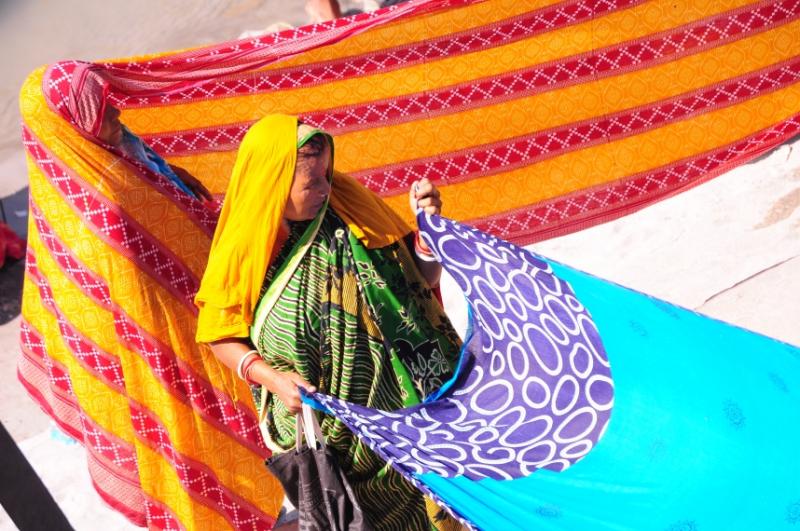
Saris - An important part of Indian Culture and attire,  India Customs and Traditions

Indian women are often seen sporting ‘saris’. It initially started as a Hindu tradition but has very elegantly spread across all religions. The same applies to the more functional ‘Kurta-Pyjama’, and the formal wear of ‘Sherwani’ for Indian men of all faiths.

3. Indian Dances

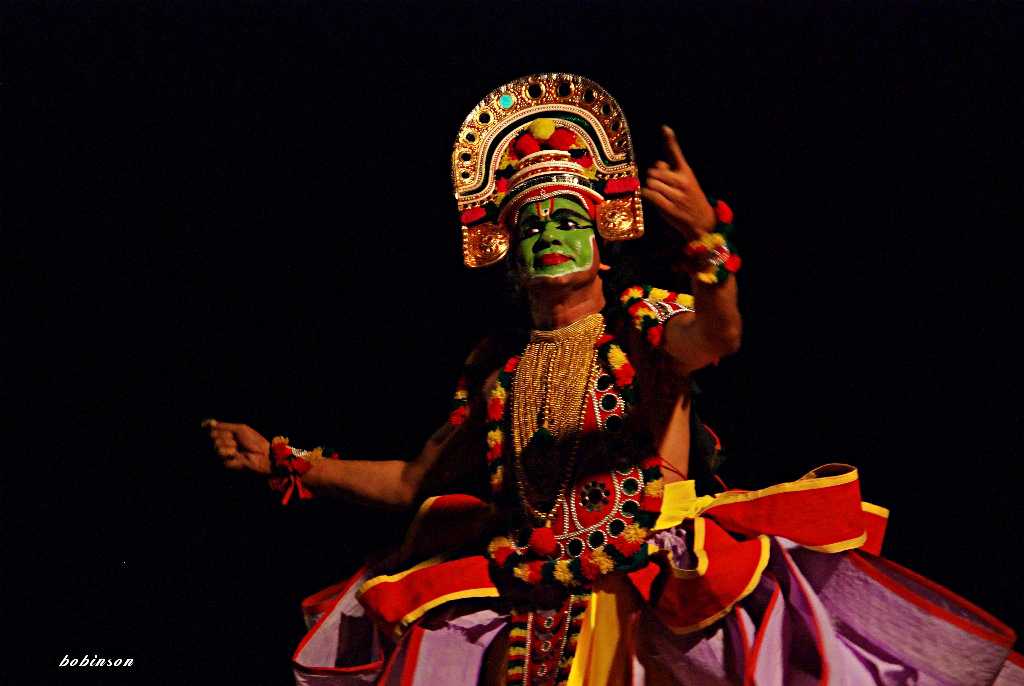
Kathakali


India is a land of ‘unity in diversity’, and our dances are no different. Eight classical dances, which are classified as Indian classical dances and find a mention in the Hindu Sanskrit text ‘Natyashashtra’, (a text of performing arts) are:

  • Bharatnatyam from Tamil Nadu
  • Kathakali from Kerela
  • Kathak from North, West and Central India
  • Mohiniyattam from Kerela
  • Kuchipudi from Andhra Pradesh
  • Oddisi from Odhisa
  • Manipuri from Manipur
  • Sattriya from Assam

 4. Indian Food

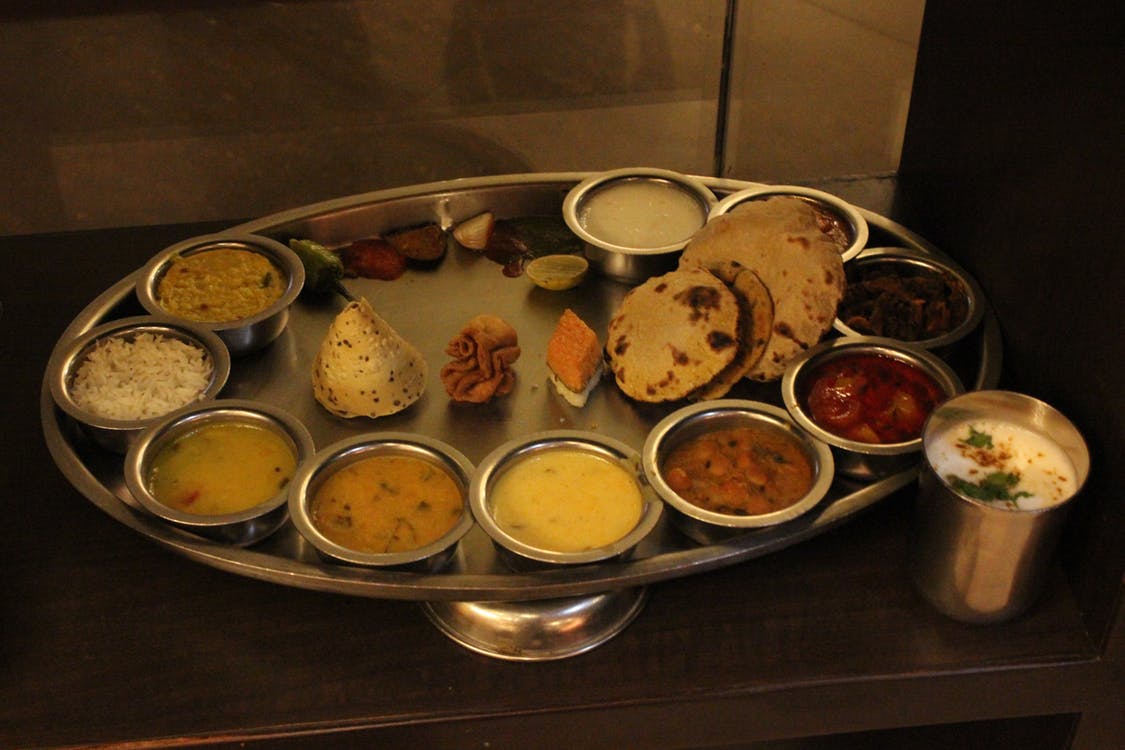
Indian Thali, India Customs and Traditions

Indian food and cuisine not only form an integral part of the culture of India but are also one of the critical factors of India’s popularity worldwide. While vegetarian food is an integral part of Gujrati South Indian and Rajasthani cuisines, non-vegetarian dishes form a central part of Mughlai, Bengali, North Indian and Punjabi cuisine.

5. Languages

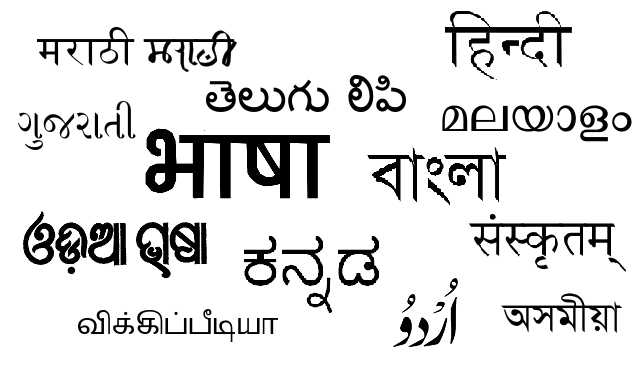
Languages of India

India is socially, culturally, and linguistically very diverse. Hindi and English are widely spoken and recognised for official purposes. Other than than, there are 22 scheduled languages recognised by the constitution of India. However, more than 400 languages and dialects in India are still not known.

6.Joint Families

Concept of Joint Families - Significant part of Indian Culture

Also, in India, there exists the concept of a joint family, wherein the entire family (parents, wife, children and in some cases, relatives) all live together. This is mostly because of the cohesive nature of the Indian society, and also reportedly helps in handling pressure and stress

For More Information Watch :-

Reviews:-

regenthillsideYercaud, IndiaReviewed 28 December 2018 via

Indian Traditions are one of my most ever viewed traditional practice

THE 5 TYPES OF FARMING IN INDIA

Farming systems in India range from subsistence farming to organic farming, to industrial or commercial farming.

There are five main types of farming in India, each having its own unique system:

1. Irrigation Farming

Irrigation farming

An irrigation farming system relies on help from an irrigation system supplying water from a river, reservoir, tank, or well. Farming methods should be focused on sustaining or recycling water.

2. Shifting Cultivation

Shifting Cultivation

Shifting cultivation systems cultivate one plot of land for a period of years until the soil becomes infertile. As crop yield decreases, the plot is deserted and the ground is re-fertilized using the slash and burn technique.This has led to severe soil degradation in many areas.

Corn Farm

3. Commercial Agriculture

Commercial agriculture systems involve large-scale plantations, such as those used for wheat, cotton, sugarcane, tea, rubber, and corn.

  • Intensive commercial farming: With small landholdings and a high population, many farms use a lot of manpower on a relatively small piece of land.
  • Extensive commercial farming: This is the opposite of intensive commercial farming. A small workforce is applied to a large piece of land. Cultivation depends on mechanical methods.
  • Plantation agriculture: A plantation is a large piece of land with an estate (typically in sub-tropical or tropical countries) where crops are cultivated and then sold internationally as opposed to locally.

4. Ley Farming

This type of farming is used to restore soil fertility in India’s drylands. A plot of land is used for grain or other crops and when the soil starts to degrade, the land is left uncultivated. Land erosion during the ley period is also prevented by the roots of the grass.

5. Plantation Farming

As mentioned before, this is the large-scale cultivation of one crop on an estate or vast property.Tea, coffee, and rubber are all commonly-grown on plantation farms. Teak wood, bamboo, and timber are also occasionally farmed using this method.

For More Information Watch:-

Reviews :-

 Jun, 2011Review Of AgricultureGautam PingleAgriculture currently produces only 30% of total income in the Telangana region, but it remains the basis for survival of nearly 78% of the population.